 Skip to content
WhatsApp: (+44) 7348468531


What Is GBL? Uses, Smell, Taste and How to Identify It
GBL is a chemical found in some industrial cleaning products and solvents. Although it has legitimate industrial applications, it is also associated with serious health risks when misused. Understanding what GBL is, where it may be found and why it can be dangerous helps people make informed decisions about chemical safety.
This guide explains the main facts about GBL, including the products that may contain it, its smell and taste, and the limitations of common identification methods.
What Is GBL?
GBL stands for gamma butyrolactone. It is a colourless, oily liquid used mainly as an industrial solvent and chemical intermediate. According to the US Drug Enforcement Administration (DEA), it can be found in products such as paint removers, cleaners, adhesives and nail polish removers.
GBL is also known as a precursor to gamma hydroxybutyrate (GHB). After entering the body, GBL is rapidly converted into GHB, a substance that depresses the central nervous system. This conversion explains why GBL can produce effects similar to those of GHB.
The effects can include drowsiness, nausea and changes in vision. Larger exposures can cause slowed breathing, seizures, unconsciousness, coma and death. Regular use can also lead to dependence, with withdrawal symptoms that may require medical attention.
It is important to distinguish between GBL’s industrial uses and its risks when it enters the human body. A chemical intended for cleaning or manufacturing is not safe for consumption.
How to Test GBL
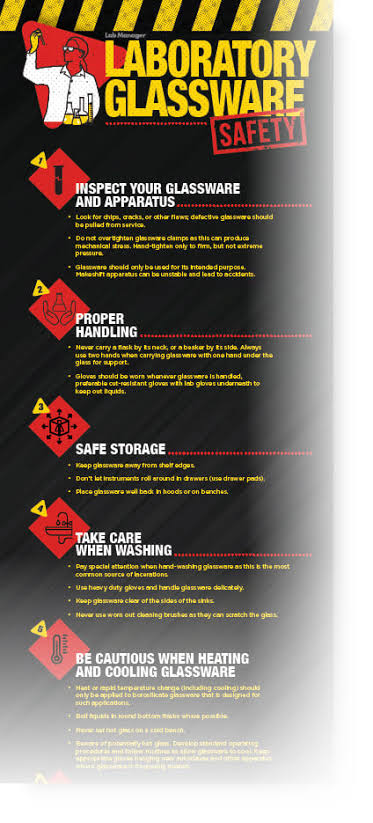
Identifying GBL accurately requires more than looking at a liquid or checking its smell. Because GBL is colourless and may resemble other liquids, appearance alone cannot establish its identity or purity.
Professional chemical analysis is the most reliable way to determine whether a sample contains GBL. A suitably equipped laboratory can use validated analytical techniques to identify chemical compounds and assess the sample.
There are several important points to understand:
- Visual inspection: A clear liquid does not necessarily contain GBL. Many solvents and other chemicals have a similar appearance.
- Smell and taste: Neither provides a reliable way to confirm a chemical’s identity. Never taste an unknown substance to identify it.
- Product labels: Safety data sheets and manufacturer information can help establish which ingredients are declared, although labels alone cannot verify the contents of a particular sample.
- Laboratory testing: Professional analysis is preferable when a reliable identification is necessary.
Do not mix unknown chemicals or carry out improvised tests at home. If a substance is suspected to contain GBL, avoid direct contact and follow appropriate chemical safety procedures.
What Cleaning Products Contain GBL?
GBL is used in a range of industrial and commercial applications because of its solvent properties. The DEA identifies several product categories in which it may be found.
These include:
- Paint removers and certain paint stripping formulations
- Industrial and specialist cleaning products
- Adhesives and related manufacturing materials
- Some nail polish removers
- Certain degreasing and solvent formulations
However, not every product in these categories contains GBL. Formulations vary between manufacturers, and ingredients may differ by product and country.
The best way to check a particular cleaning product is to consult its label, technical information and safety data sheet. Look for the chemical name, gamma butyrolactone, or the abbreviation GBL. If the information is unclear, contact the manufacturer rather than making assumptions based on the product type.
GBL should always be handled according to the product’s safety instructions and kept away from children, food and drink.
What Does GBL Smell Like?
GBL is generally described as a colourless liquid, but its smell is not a dependable way to identify it. Odour descriptions can vary, and other solvents may have similar characteristics.
A person cannot reliably determine whether a liquid contains GBL by smelling it. Deliberately inhaling vapours from an unknown chemical can also create unnecessary exposure risks.
If you encounter an unlabelled liquid with an unfamiliar smell, avoid sniffing it directly. Keep people away from the substance, ventilate the area if it is safe to do so, and follow the relevant chemical safety guidance.
What Does GBL Taste Like?
The DEA describes GBL as having a bitter taste. However, this characteristic does not make taste a safe or reliable identification method.
Other chemicals can also taste bitter, and the taste of a substance cannot establish its concentration, purity or exact composition. Even a small exposure to an unknown industrial chemical may be harmful.
Never taste GBL or any unidentified liquid to check what it is. If someone has swallowed a substance suspected to contain GBL, seek urgent medical advice rather than waiting for symptoms to develop.
What Are the Health Risks of GBL?

GBL can cause serious harm because it is converted into GHB in the body. The resulting effects depend on the amount involved and other factors, but they can become dangerous quickly.
Possible signs of poisoning include severe drowsiness, vomiting, confusion, seizures, slow or irregular breathing and loss of consciousness. Combining GBL with alcohol, opioids, sedatives or other central nervous system depressants can increase the risk of life threatening complications.
Repeated use can lead to dependence. Withdrawal may involve anxiety, insomnia, tremors, a rapid heartbeat and other serious symptoms. People who use GBL regularly should seek medical advice before attempting to stop, as withdrawal can require supervised treatment.
If someone becomes unconscious or has difficulty breathing after a possible exposure, call emergency services immediately. Do not leave them alone or try to make them vomit.
Conclusion
GBL has established industrial uses, but it also carries significant risks when handled incorrectly or consumed. Its clear appearance, smell and taste cannot confirm its identity. For accurate identification, rely on appropriate product documentation and professional chemical analysis, and seek medical assistance promptly if poisoning is suspected. Are you looking to buy GBL online in Europe? just click on the link below to order now.
